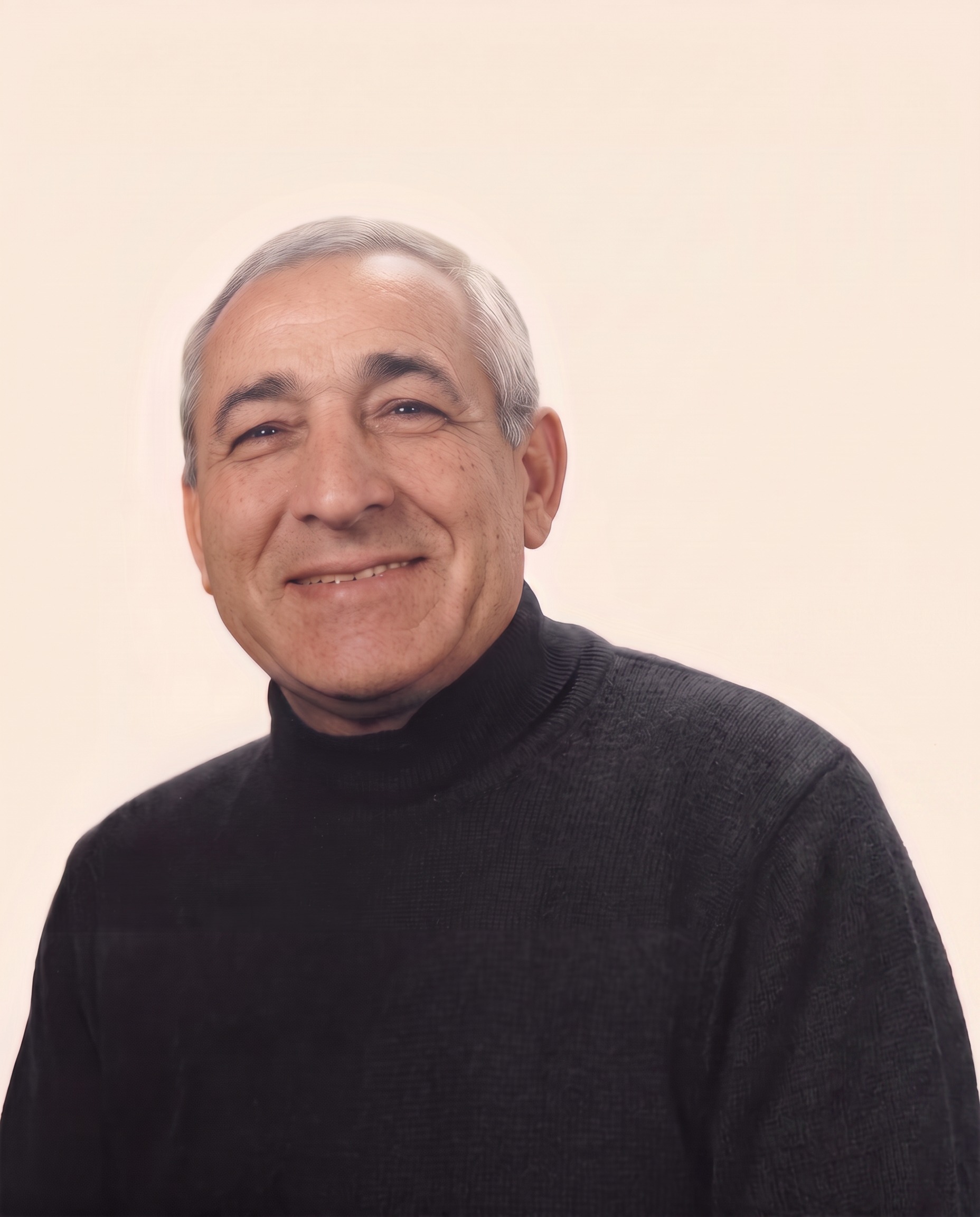
He had a few sayings he lived by. One of them was: "Sit crooked — but speak straight." Anyone who knew Meir Ben Ichay knows that this is exactly how he lived — with integrity, without pretense, a hand extended to anyone in need.
A Childhood Between Algeria and Morocco
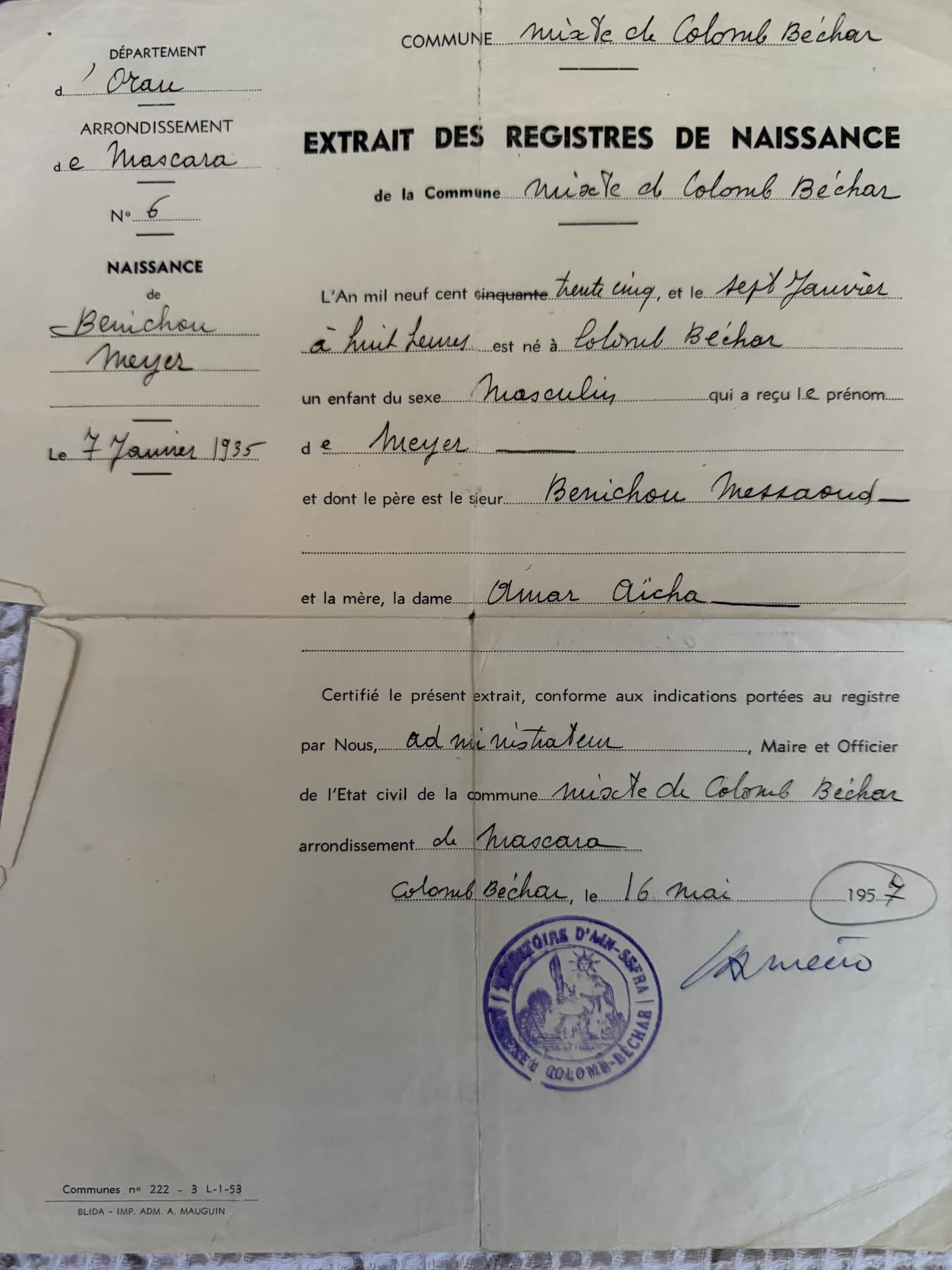
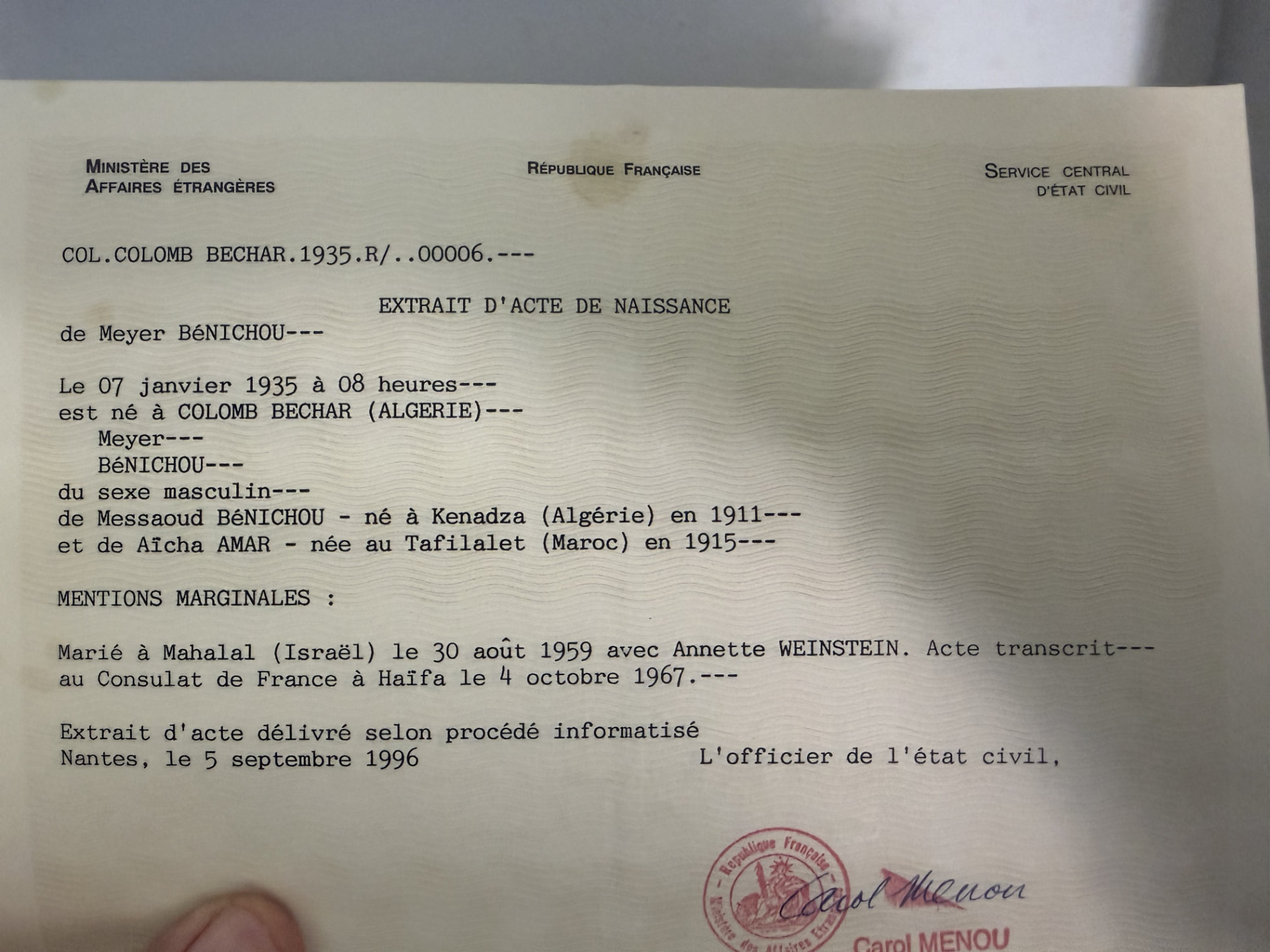
Meir was born in January 1935 in Colomb-Béchar, a small town near the border between Algeria and Morocco. His childhood was not easy. In 1942 his family broke apart, and Meir, his brother Simon — two years older than Meir — and their mother moved to Oran, a coastal city on the Mediterranean.
In Oran, on Rue de la Révolution, a lifelong bond was formed: the father of a boy named Ephraim Elankaweh repaired the kerosene stove of Meir's mother, and so the two boys met. Ephraim would remain Meir's close friend to the end of his days.
The French Soldier
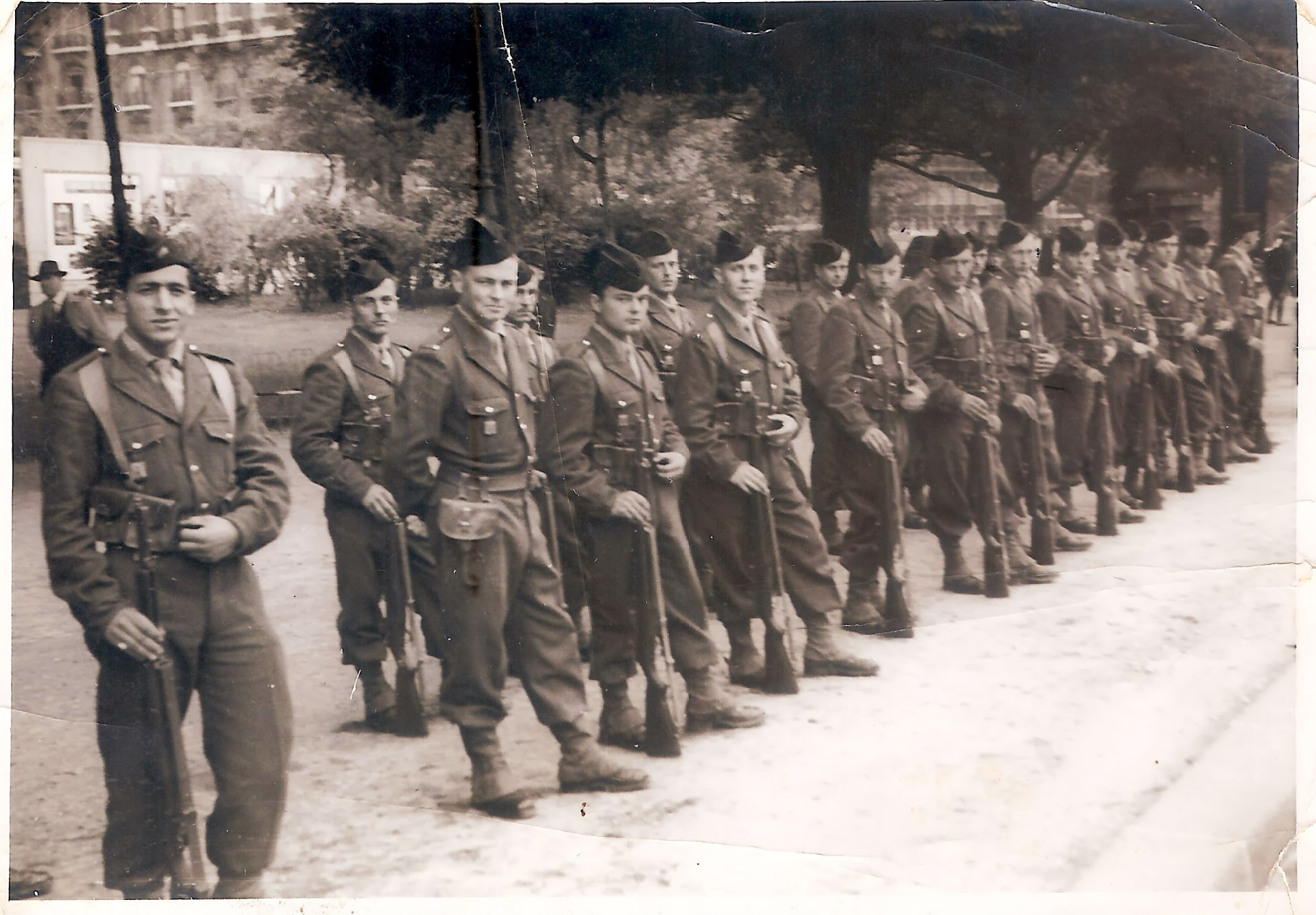
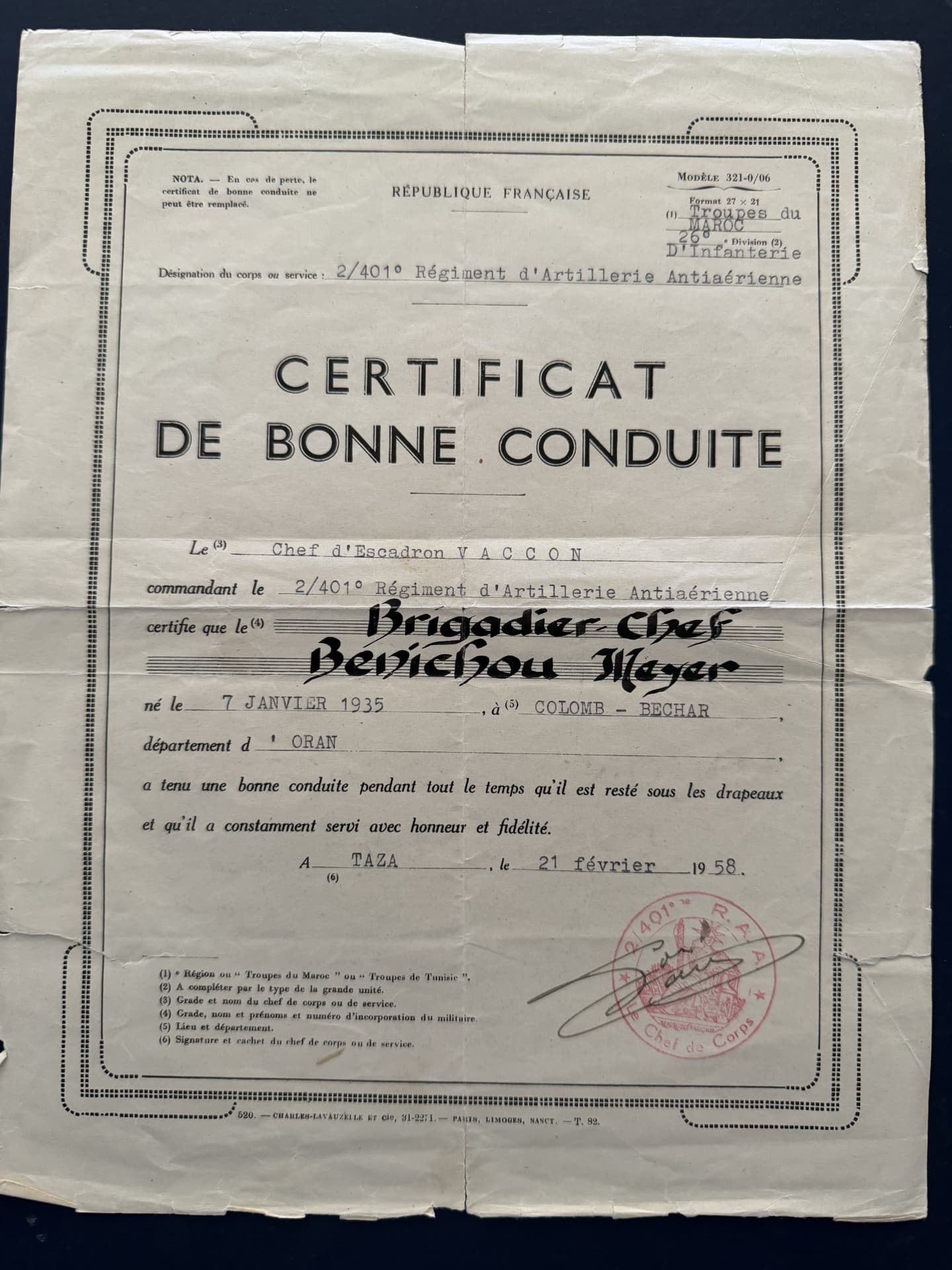
In 1953, at the age of eighteen, Meir enlisted in the French army and served in Paris. Two years later he was sent to Morocco to train the soldiers loyal to the king. In 1956 he took part, as a French soldier, in Operation Kadesh — known in Israel as the Sinai War — arriving aboard a French warship in Cyprus as a backup force.
From those years came a memory he loved to recount: once, on the 14th of July — Bastille Day — Meir stood as an honor guard for an entire day. Decades later, on a trip to Paris near the small Arc de Triomphe, he recalled it once again.
Training, Hanna, and the Journey to Israel
In preparation for his immigration to Israel, Meir underwent pioneer training in France, in the village of La Barthe-sur-Lèze near Toulouse. He had not yet met Hanna — his future wife. She was already there, having arrived in 1957, working in the dairy barn and the piggery.
One day Meir appeared in the village dressed in a suit, wearing a red kippah he had received in the city of Nancy. Hanna immediately called out to her friends to come and laugh at "the religious one" who had just arrived at the group. But Meir quickly revealed himself as the leader of the group — always involved, always ready to help. Whenever someone had a problem, the phrase that repeated itself was simple: "Go to Meir."
In February 1959, Meir, Hanna, and all the members of the group immigrated to Israel aboard the luxury liner Theodor Herzl. At the end of that summer, in late August, Meir and Hanna were married in Kibbutz Nahalal. The wedding canopy was led by the Yemenite rabbi of the village, and the two arrived by horse and cart. The list of wedding gifts was short: a few liras (Israeli currency) from Hanna's relatives, and a book about flowers. That was all.
The Kibbutz Years
At the start of their life in Israel, Meir and Hanna lived on Kibbutz Ramat David. Meir worked in the field crops and the garage and learned to repair vehicles; their home was a single room, without a bathroom, yet many of the kibbutz children loved to come to him. Hanna worked in the henhouse.
In October 1959 they moved to Kibbutz Hanita, together with all the members of the group. Meir worked in the fields, the banana groves, and the garage, while Hanna cared for the infants in the children's house. Their home was an open house — members of the group who came from Kibbutz Yifat were hosted there and showered in hot water heated by a kerosene boiler. Meir worked hard, sometimes from six in the morning until midnight, because at midnight he had to drive out to the fields and shut off the irrigation. And when he received a donation from a Holocaust survivor, he worked together with others to build a basketball court for the members of the kibbutz.
He also had a mischievous streak. He and Yair of Hanita introduced the game of bridge to the kibbutz — even though card games were then considered unbecoming of kibbutz values. They would meet on Saturday afternoons, calling the game a "study class." Once, when a veteran member asked which class they meant, Meir and Yair answered him with complete seriousness: "A Bible study class... today we're on Samuel II."
Family and Work in the Krayot
In 1962 Meir and Hanna decided to leave the kibbutz, so that Hanna could spend more time with their son, and they moved to Kiryat Haim — a room and a half, where the gas stove stood in the bathroom and the kitchen was hidden inside a cupboard. During the transition Meir worked at the Haifa oil refineries (Bazan) and stayed with Hanna's aunt, who cooked for him when he came home hungry from work. The first thing they bought for their son was a new pair of shoes, from the most expensive store in Haifa.
In 1963 they moved to Kiryat Amal for two years, because the apartment in Kiryat Haim was very small; there, that same year, Osnat was born. In 1965 the family moved to western Kiryat Haim, where Tsuri was born in 1968. Meir continued working at Bazan, and in the early years also worked on the side polishing wooden surfaces, buffed smooth as a piano, to supplement their income. In November 1963 he was called up for reserve duty and joined a convoy that reached the isolated Mount Scopus; a stay planned for a week stretched into two, because the Pope's visit to Jordan delayed the passage of convoys. In 1975 Meir and Hanna moved with their children to Kiryat Yam, into a large and spacious apartment.
Building Bridges Between Israel and France
Between 1980 and 1990 Meir worked to establish three twin-city partnerships between Israel and France — Kiryat Shmona and Nancy, Kiryat Yam and Créteil, and Karmiel and Metz. The French of his childhood and the love he carried for both countries made him a human bridge between the two lands.
The Man He Was
If there is one story that captures who Meir was, it is the story of a person named Savion. In 1989 Savion, a laboratory storekeeper, suffered a heart attack. The doctors said he had only a few months left, but the wait for public bypass surgery was long, and private surgery cost a fortune he did not have. Savion quietly returned to his work. When Meir heard of it over breakfast, he rose, walked straight to the director of Bazan, and demanded that they fund the surgery — "because under no circumstances will a man die here for lack of money." Bazan funded the operation in full. Savion lived on for many more years.
That was Meir: when he saw an injustice, he did not wait for someone else to act.
And this too was Meir: the pipe, the Belote table until four in the morning (he hated to lose), the journey to South Korea and Mongolia, the instinct to meet strangers and strike up a conversation. And, of course, the sayings that accompanied him all his life:
"Sit crooked — but speak straight."
"Walk crooked — but speak straight."
"Tell them Ben Ichay sent you..."
His Legacy
- Served as a soldier in the French army
- Initiated three twin-city partnerships between Israel and France
- Took part in the elimination of a terrorist cell in the Jordan Valley and received the Chief of Staff's Citation
- Directed a folk-dance troupe in the Krayot
- Member of the Bazan workers' committee
- Member of the Kiryat Yam city council
- A Freemason
- Chairman of the Israeli Camping Association
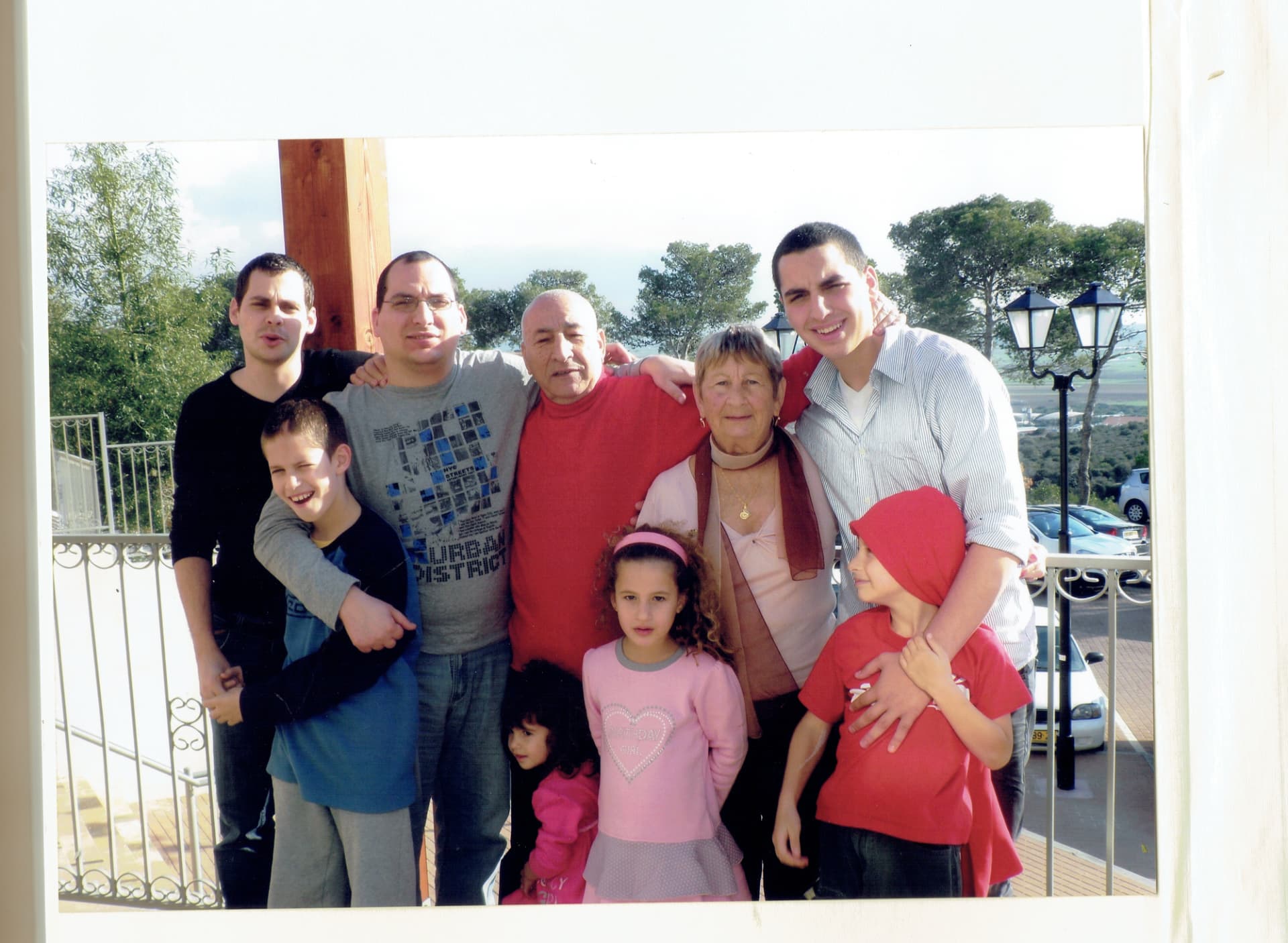
- A husband, father, and grandfather
Photo gallery